
When Is the Best Time to Pour a Concrete Patio in North Texas?
Fall is the best concrete-pouring weather North Texas gets, and August is when the fall schedule fills up. How to time a patio project right.
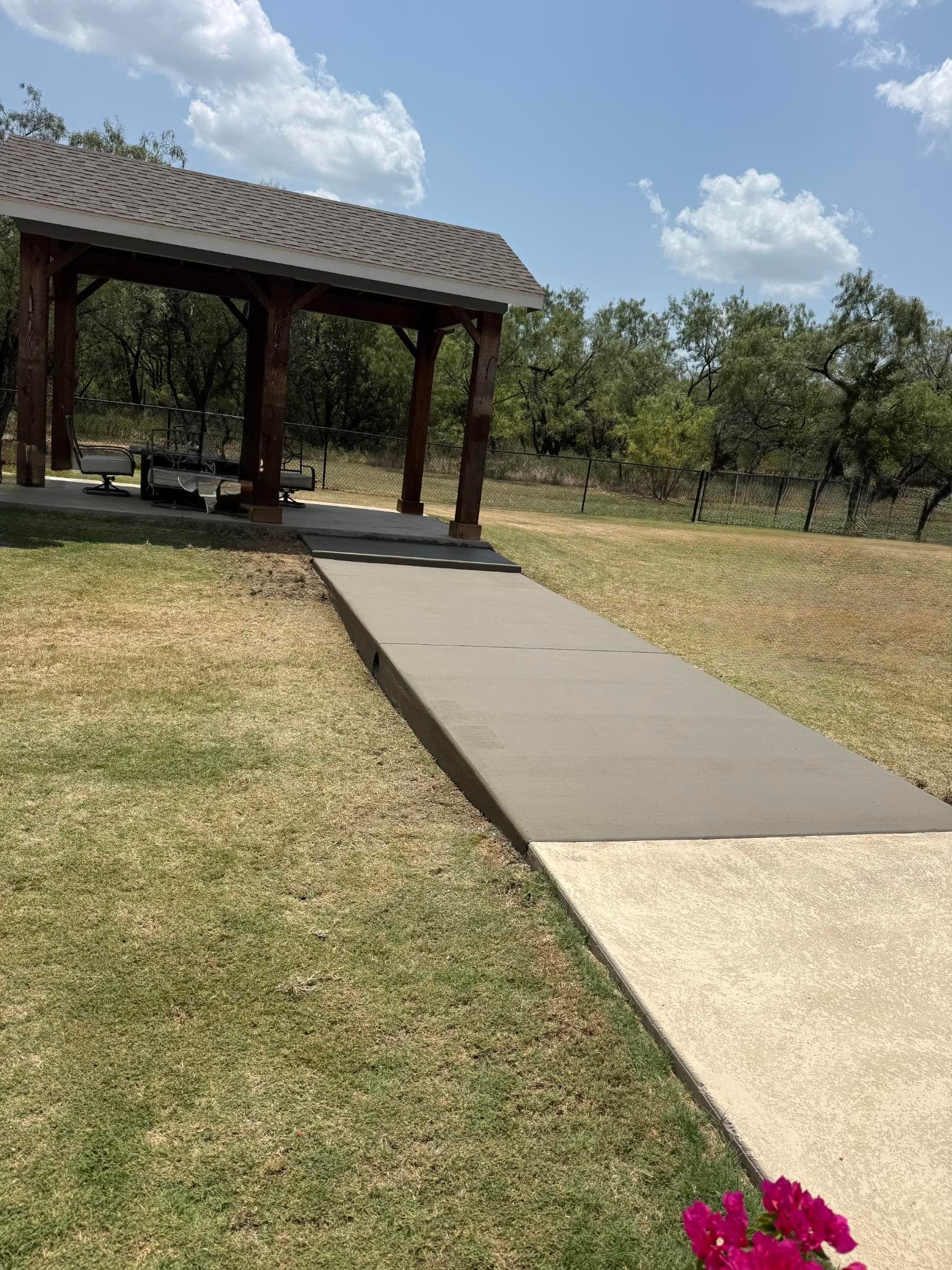
Nobody in North Texas is thinking about their patio in August. It's 100 degrees, the grass has given up, and the backyard is something you look at through a window with the AC running.
Which is exactly why August is the right month to plan a concrete patio project. The best pouring weather of the year is about six weeks out, and the fall calendar is filling now.
Fall Is Prime Pouring Weather in Texas
Concrete doesn't dry — it cures. It's a chemical reaction that needs moisture and moderate temperatures to reach full strength. In July heat, the surface of a fresh slab can dry out faster than the concrete underneath cures, which is why summer pours get scheduled at dawn and managed carefully from the first hour.
Fall removes the problem. Warm days and cooler nights slow evaporation, let the slab cure evenly front to back, and produce concrete at its full designed strength. The same weather that makes October evenings pleasant for people makes them ideal for concrete.
That window is short, and every contractor's fall schedule fills with people who want the same thing.
Three Upgrades Worth Doing Before the Season Changes
1. Turn a plain slab into a stamped or stained patio
A patio doesn't have to be a gray rectangle. Stamped and stained concrete can take on the look of natural flagstone, slate, or wood planks, with color worked into the surface in earth tones that tie into the house — and because the pattern is pressed into the slab itself rather than laid on top, there's nothing to peel, shift, or re-level later. You get the high-end look without the high-end material cost.
2. Make room to actually gather
If the patio is the reason the party ends up standing in the grass, it's undersized. Late summer is the time to extend or replace it — widen the footprint, square it to the house, or add a dedicated pad for the fire pit, smoker, or outdoor kitchen so everything has a permanent, level home. Fall evenings are what North Texas backyards are made for; a patio poured in September is ready for every one of them.
3. Fix drainage before the fall storms
If spring showed you pooling water near the foundation or walkway sections that are starting to sink, don't carry that problem into another storm season. Late summer's dry ground is the right time to regrade and re-pour with proper sub-base preparation — the compacted support layer that decides how long flatwork lasts in North Texas clay. On sloped lots, a concrete retaining wall manages the grade and moves water where it should go instead of toward the house.
Why Book in August?
Because the fall pour window is the one everyone wants, and it doesn't stretch. Booking now means your project lands in the best curing weather of the year instead of on a waitlist behind it — and a patio finished in early fall gives you the entire season of fire-pit evenings and cool-weather cookouts, from Weatherford to Granbury, instead of a project that slips to spring.
Whether it's a stamped patio, a pool deck, new flatwork, or a drainage fix that's overdue, we'll walk the site with you and give you a straight answer on what it takes.
Frequently Asked Questions
- What is the best time of year to pour concrete in Texas?
- Fall. From roughly late September through November, North Texas gets warm days and cooler nights, which lets concrete cure evenly and reach full strength without the surface drying out faster than the slab underneath. Spring works too but is the busiest season and brings storm delays. Summer pours are done successfully all the time, but they require early-morning scheduling and careful cure management.
- Can you pour a concrete patio in the Texas summer heat?
- Yes, with precautions. In summer heat the surface of fresh concrete can dry out faster than the concrete underneath cures, which causes shrinkage cracking. That's why hot-weather pours are scheduled for early morning and managed to slow the cure. If your project can wait a few weeks, fall conditions remove most of that risk.
- How long does a stamped concrete patio last?
- As long as a standard concrete patio, because the pattern is pressed into the slab itself, not applied as a coating. There is no veneer to peel or pavers to shift. Resealing every few years keeps the color rich and protects the surface.
- Is fall a good time for outdoor concrete projects in North Texas?
- It's the best time. Curing conditions are ideal, the ground is workable, and a patio poured in early fall is ready to use for the entire fall and winter outdoor season instead of sitting through a summer you can't enjoy it in.